
Smaragdina Male Vs Female
Learn how to compare male and female Betta smaragdina by body form, color, fins, behavior, and breeding traits through Bettavaro.
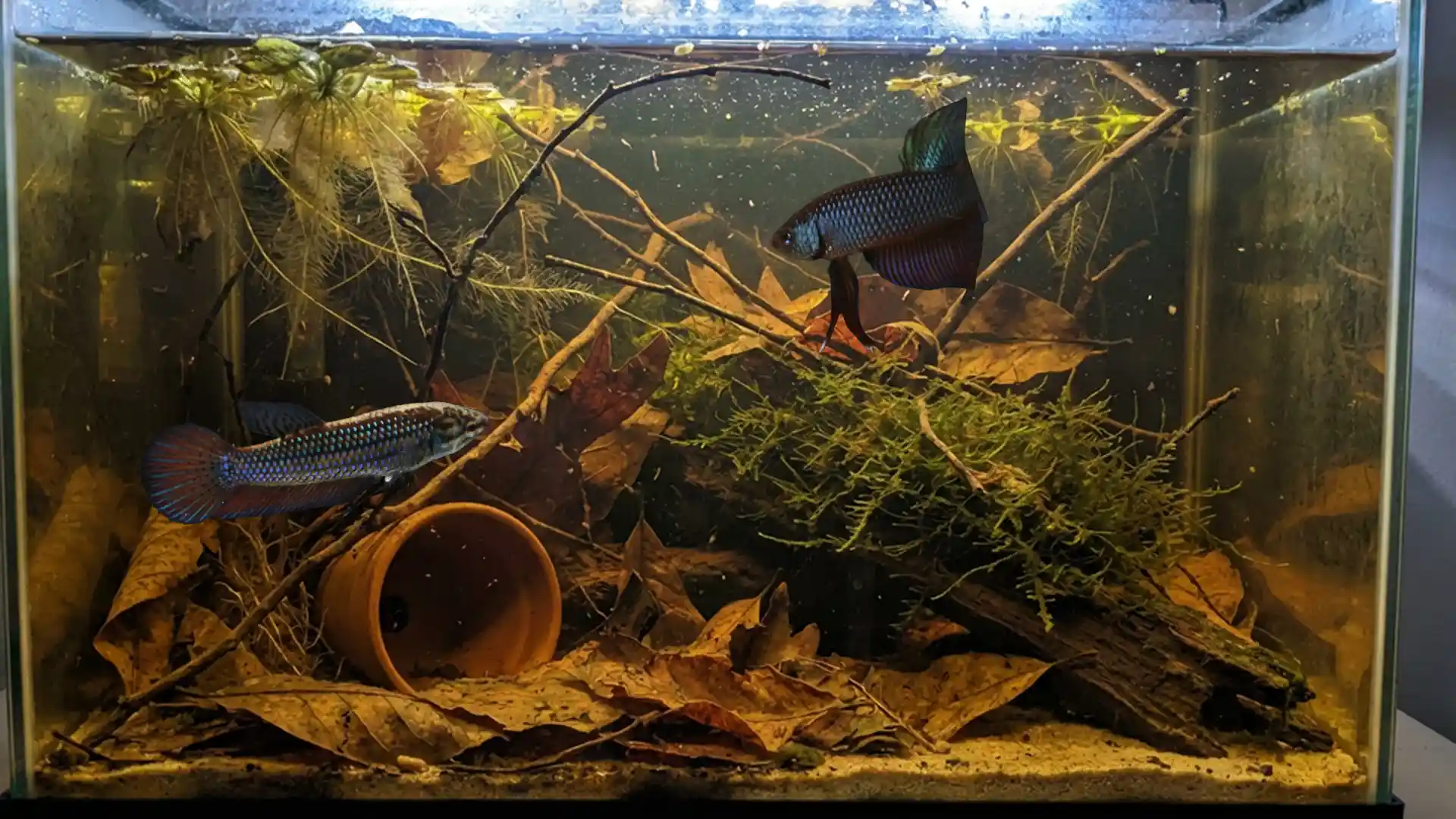
Male Characteristics
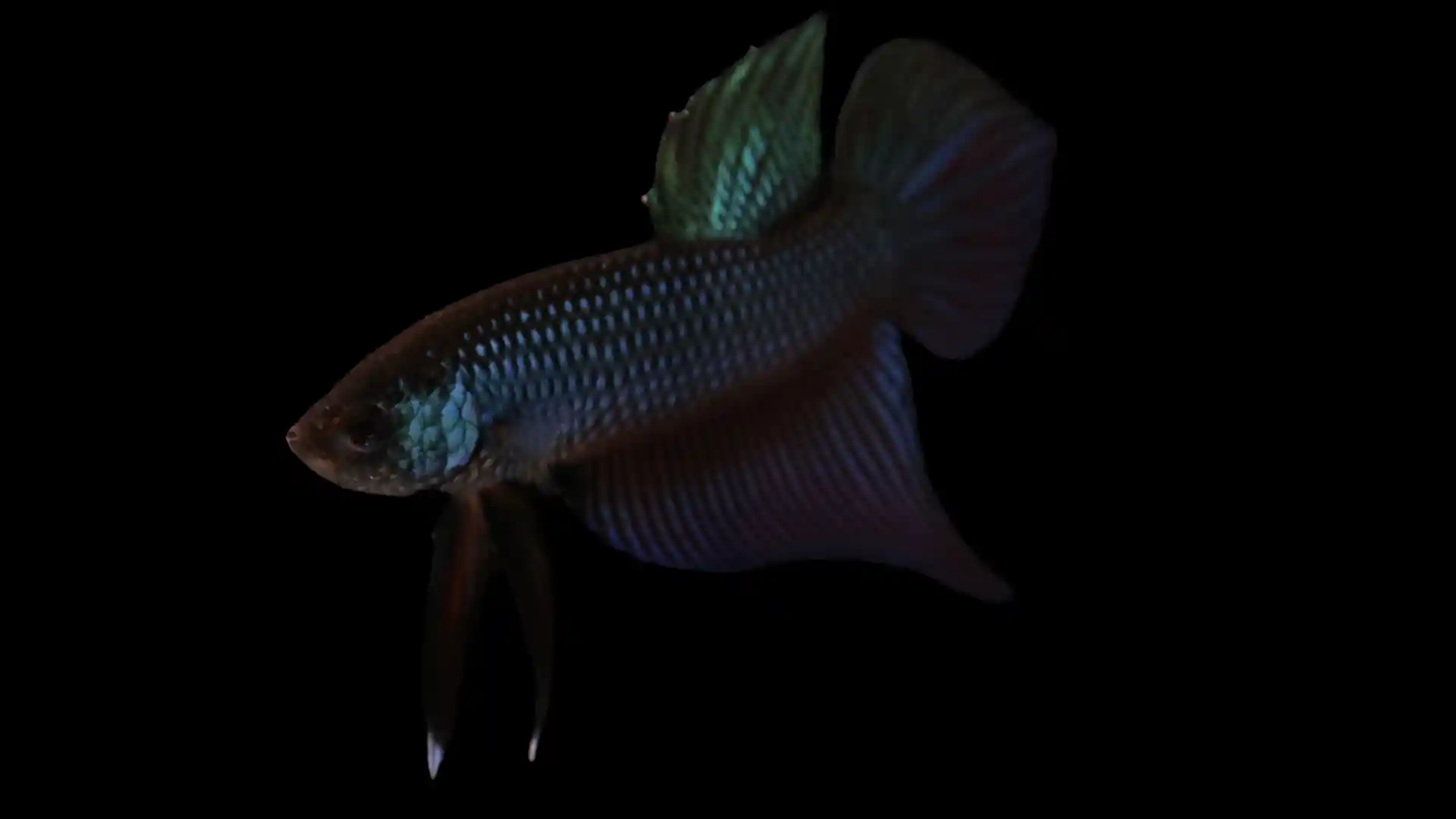
Emerald-green or blue-green iridescence
Longer, sharper, wider display
More streamlined, muscular
Builds nest, guards eggs and fry
Female Characteristics
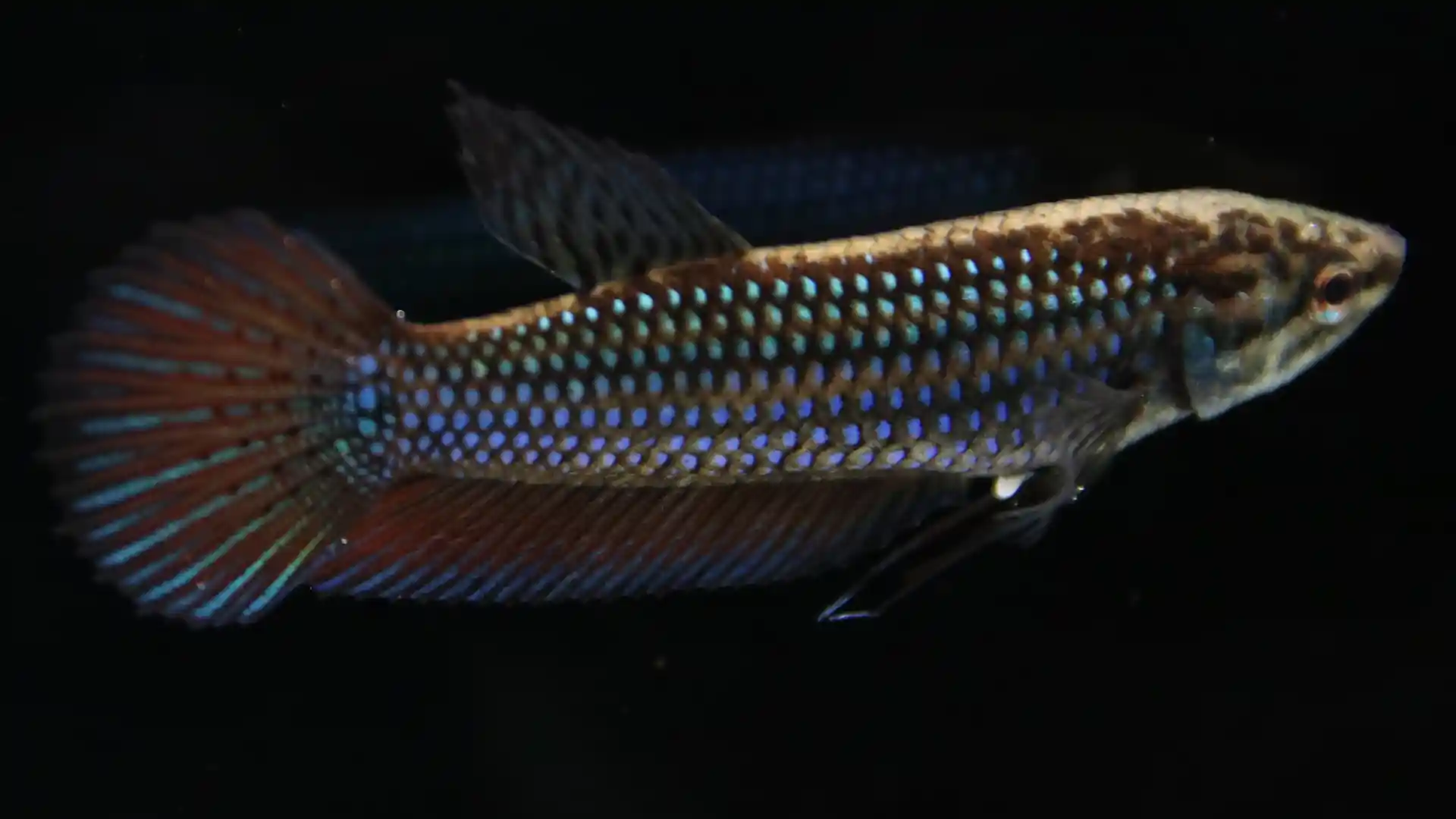
Olive, brown, or muted green
Shorter, rounder
Slightly fuller belly when carrying eggs
Selects mate, spawns, then withdraws
Females are calmer overall and often tolerate community conditions better, yet they should still be given cover and space. After spawning, the female must be removed to prevent injury.
Egg Spot & Behavior Markers
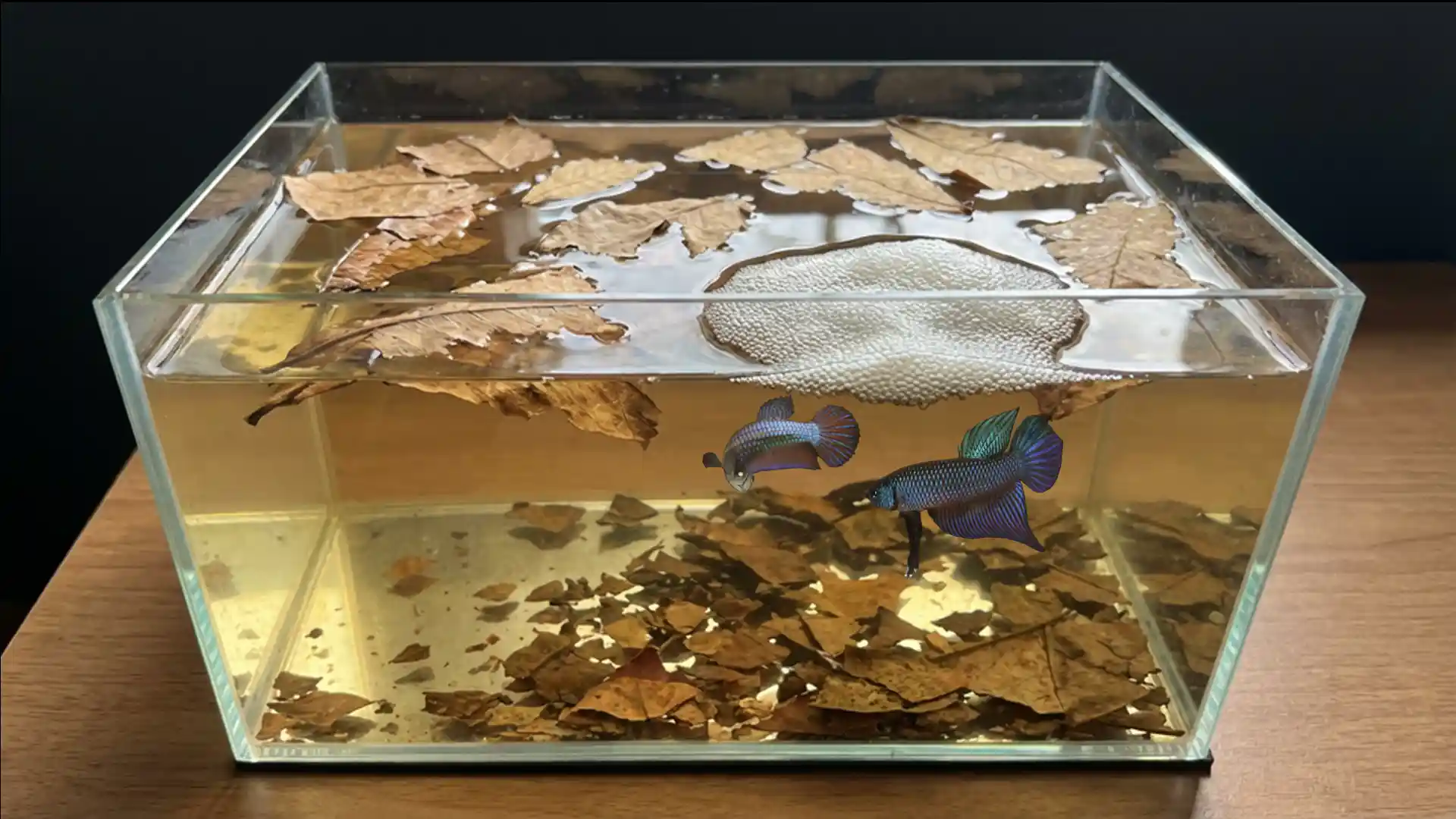
- Egg spot: small white dot near vent area, used as a female marker
- Flaring: males flare faster and harder, especially to other males
- Nest drive: only males build bubble nests and guard eggs
Practical field identification for Betta smaragdina works best when coloration, fin structure, egg spot, body shape, and behavior are read together. Color helps, but stress can dull male coloration temporarily.
Smaragdina Male Vs Female FAQ
How can I tell a Smaragdina Betta male from a female?
Males are typically brighter emerald-green with longer fins and stronger display behavior. Females are more subdued in color, have shorter rounded fins, and often show a visible egg spot.
What is the egg spot on Betta smaragdina?
The egg spot is a small white dot near the vent area on females. It is a practical field marker when coloration is subtle.
Are males always more aggressive?
Most males show stronger territorial aggression and fin flaring, especially toward other males. Females are usually calmer but can still defend space in tight setups.
Do females build bubble nests?
No. Bubble nests are built by the male, who also guards eggs and fry after spawning.
Does color alone confirm gender?
Color helps, but use multiple markers: fin length, body shape, egg spot, and behavior. Stress can dull male coloration temporarily.
When should the female be removed after spawning?
Remove the female right after spawning finishes. The male becomes protective and may injure her while guarding the nest and eggs.