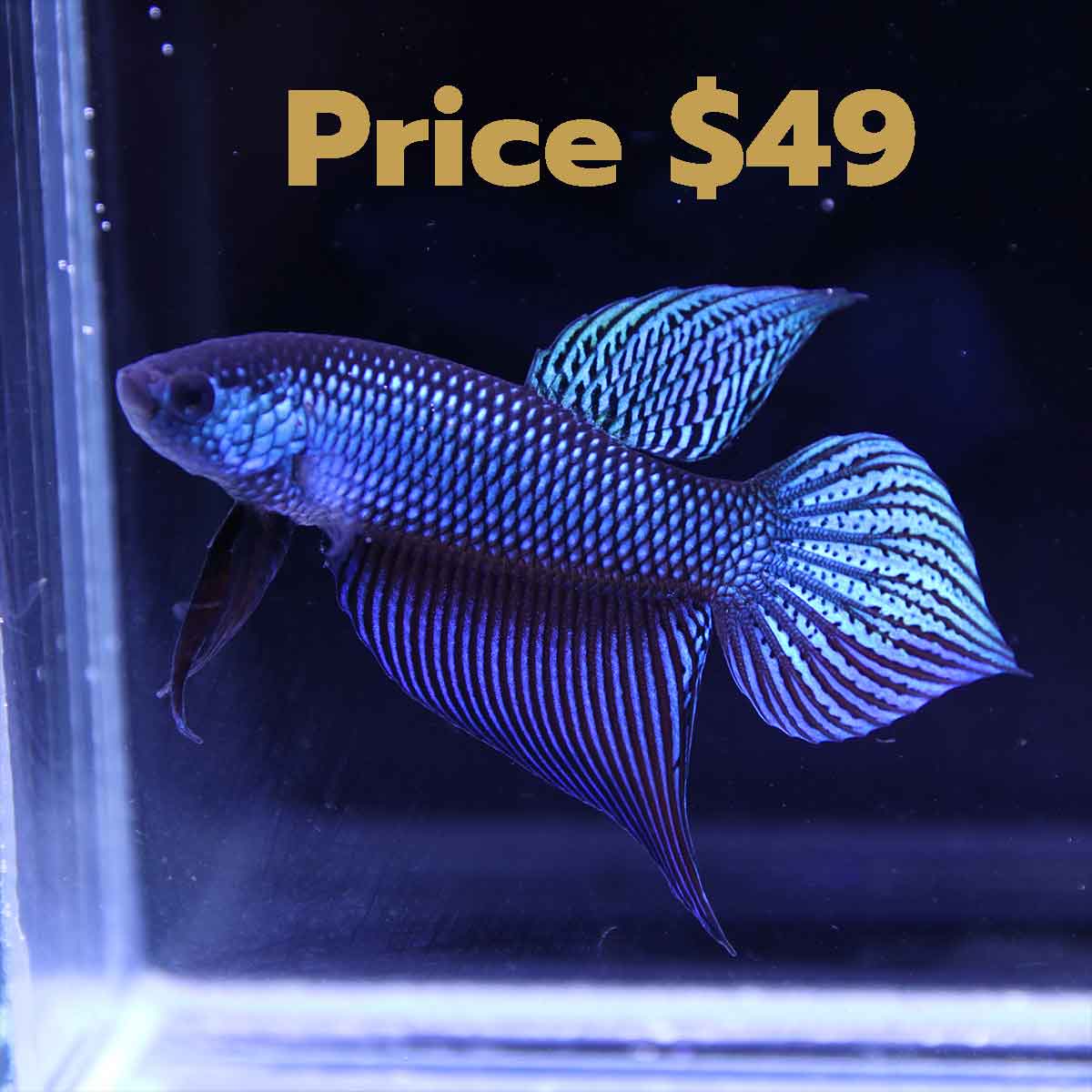
Smaragdina Betta
Explore Betta smaragdina, the emerald wild betta, its natural beauty, bloodline value, and collector appeal through Bettavaro.
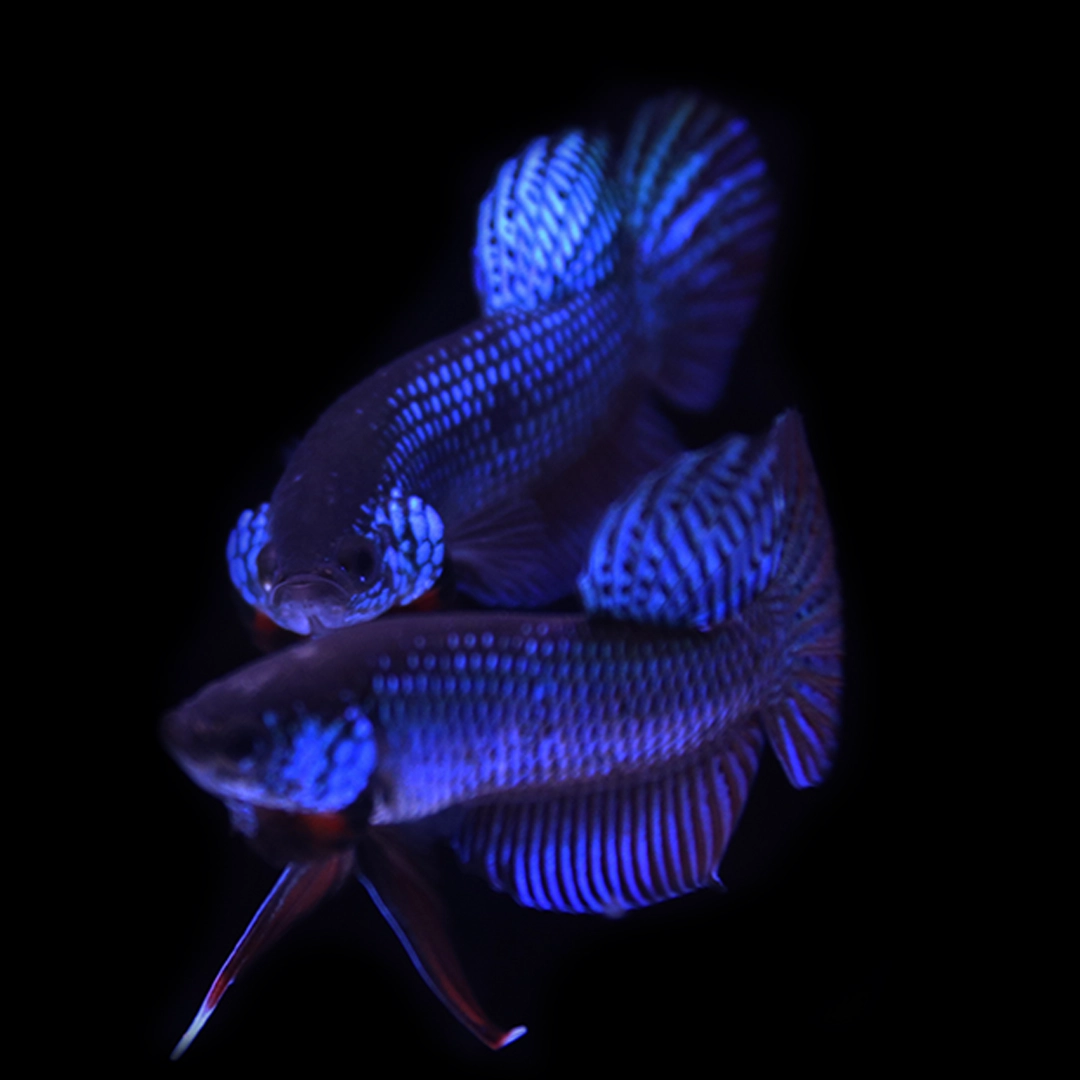
Origin & Natural Habitat
Betta smaragdina, also known as the Northeastern Thai Betta or "Emerald Betta", originates from the Isan region of Thailand, especially provinces such as Udon Thani, Nong Khai, Sakon Nakhon and Nakhon Phanom. In the wild they inhabit shallow, slow-moving freshwater systems including:
- Rice paddies and seasonal floodplains
- Irrigation canals and shaded ditches rich in leaf litter
- Marshes and vegetated pools with naturally low oxygen
The water is usually tea-coloured from tannins, soft and slightly acidic, with very low dissolved oxygen. In this environment the labyrinth organ of Smaragdina is highly developed, allowing them to breathe air directly and thrive where many other fish cannot.
Different localities show slightly different shades. Some fish glow bright turquoise, while others carry deeper emerald tones. Clearly separated lines help preserve the natural identity of each area.
Northeastern Thailand, especially the Isan floodplain landscape.
Shallow, slow-moving water with leaf litter, cover, tannins, and low flow.
Temperament & Care
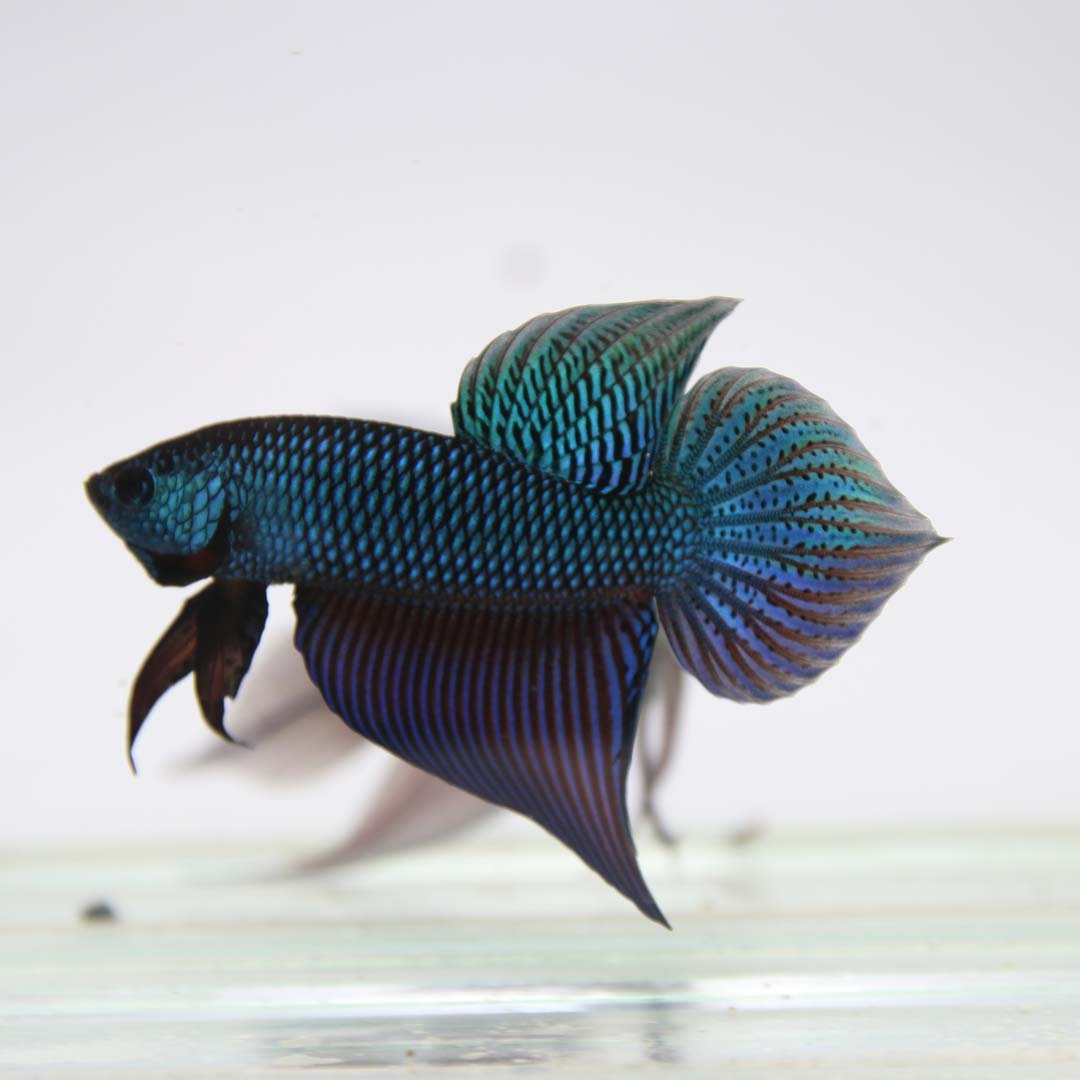
Smaragdina show a classic wild-betta temperament. Males are territorial but more calculated than domestic show bettas. They size up opponents first, then flare in a steady, rhythmic way instead of constantly attacking.
They are calm yet always alert. You will often see them exploring the tank slowly, pausing to observe every root, leaf and shadow. Their mood is written on their body: iridescent scales intensify during excitement, challenge and courtship.
Like most wild bettas, they are excellent jumpers. In nature they move between pools during the rainy season, so in the aquarium a tight-fitting lid is essential.
Recommended water parameters
- Temperature: 24-28 C
- pH: 6.2-7.0, slightly acidic to neutral
- Hardness: low to moderate
- Tannins: highly recommended, such as catappa leaves or tannin extract
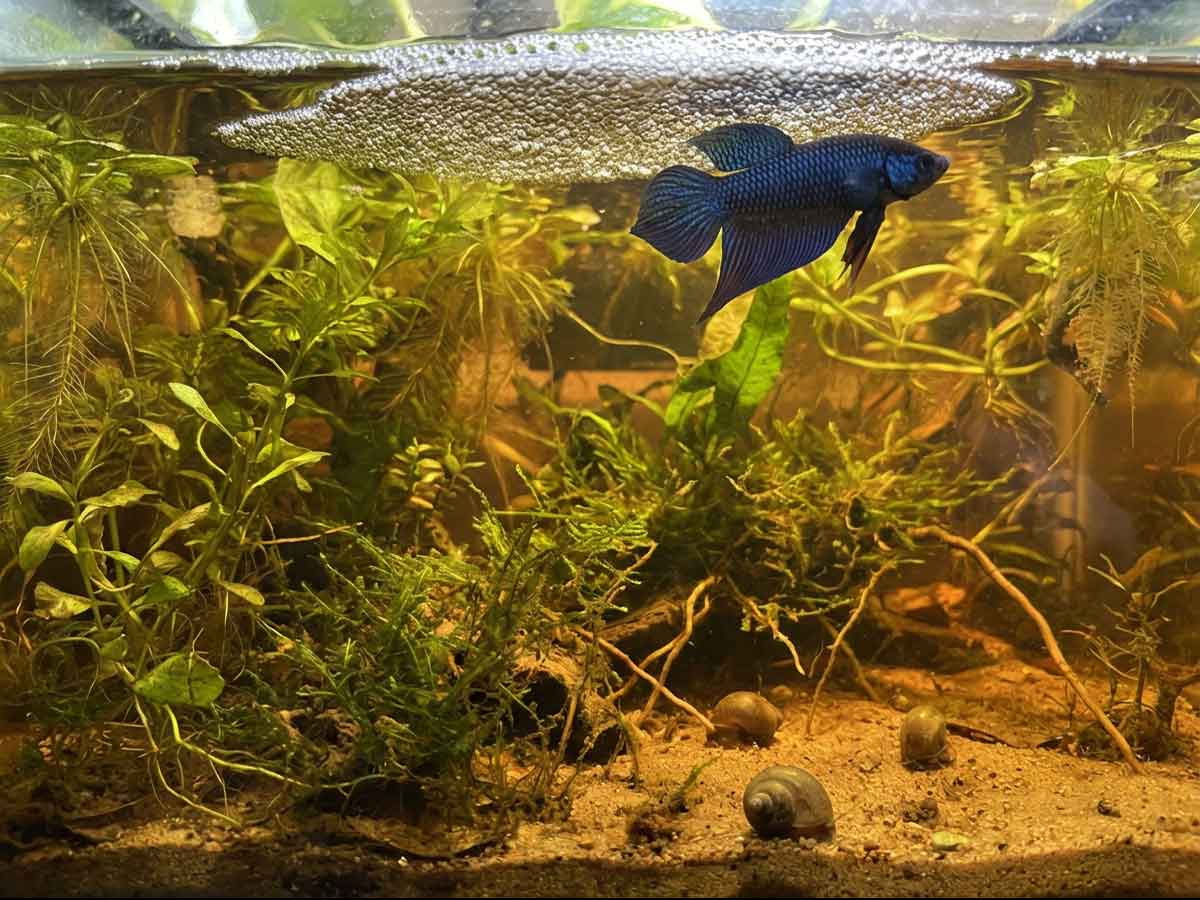
They feel most secure in tanks with dense plants, leaf litter and soft lighting. Filtration should be gentle with minimal current so the fish can build bubble nests comfortably and display natural behaviour.
Feeding behaviour
- Live foods: mosquito larvae, daphnia, grindal worms
- Frozen foods: bloodworms, daphnia, brine shrimp
- High-quality micro-pellets for wild bettas
Breeding Betta smaragdina
Betta smaragdina are classic bubble-nest breeders, similar to Betta splendens, but with a more natural wild style. Males display bright emerald and turquoise coloration during courtship and build a solid bubble nest under broad leaves or floating debris.
Spawning follows the typical nuptial wrap. Eggs are released and both male and female help collect them, with the male carefully placing each egg in the bubble nest. After spawning the female should be removed to avoid conflict, while the male guards, repairs and maintains the nest.
Fry usually hatch within 24-48 hours and become free-swimming after about 3-4 days. They do best in soft, tannin-rich water and grow well on a mix of infusoria, microworms and baby brine shrimp.
Bloodline Value & Collector Appeal
Genetically, Smaragdina are important. They are one of the key wild species behind modern hybrid projects such as Alien bettas. For responsible breeders, maintaining pure locality lines is just as valuable as creating new combinations.
Different localities and family lines can carry distinct emerald, green, and turquoise expression. This makes Betta smaragdina a meaningful Thai betta breeder species for collectors who value natural color, wild betta fish Thailand heritage, and long-term bloodline stewardship.